
Strabismus Surgery
Strabismus surgery corrects misaligned eyes by surgically modifying the extraocular muscles, using procedures like recession (loosening) or resection (tightening). A small incision is made to access the muscles, which are then detached and reattached at a new position on the eyeball. While generally safe and effective with a high success rate, recovery is rapid with temporary side effects like soreness and redness, and the procedure can involve general anesthesia for children.
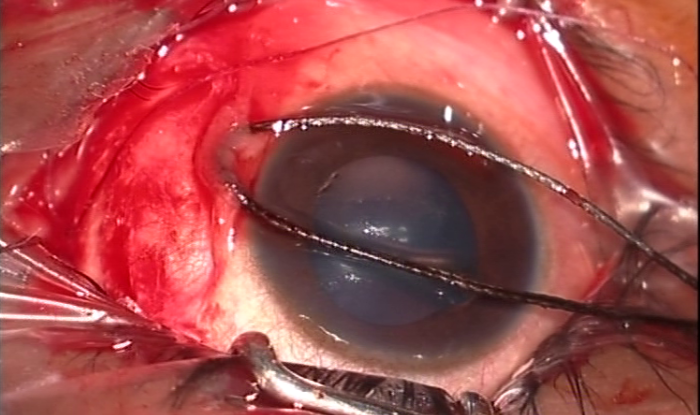
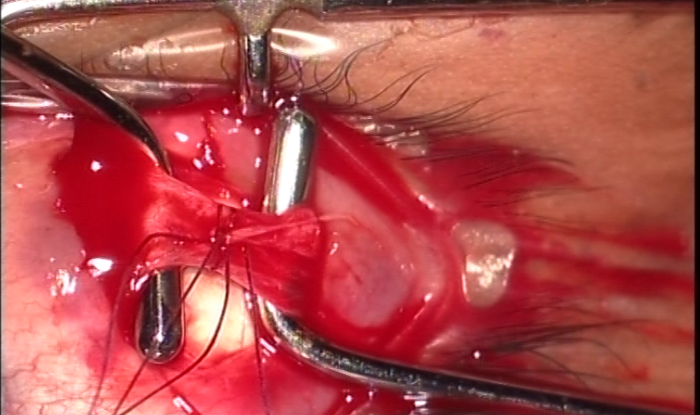
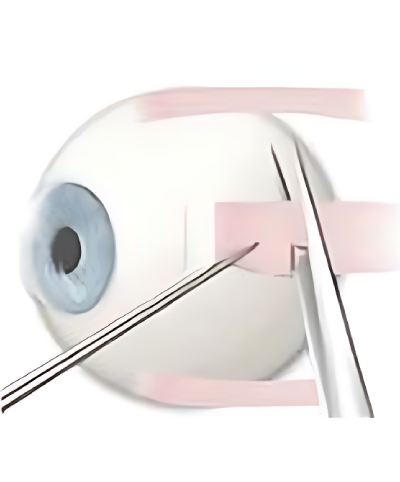
Muscle Resection Procedure
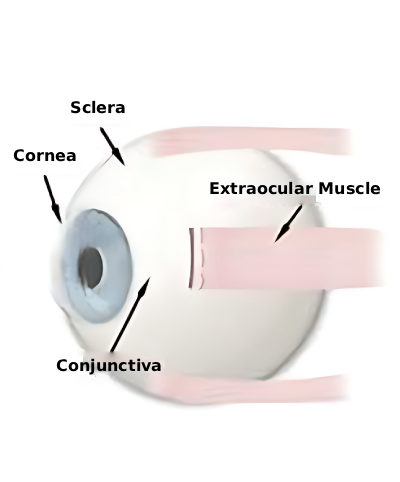
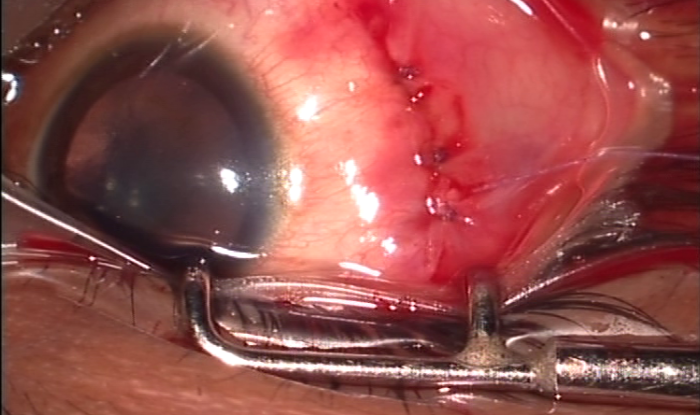
Completed Muscle Resection Procedure
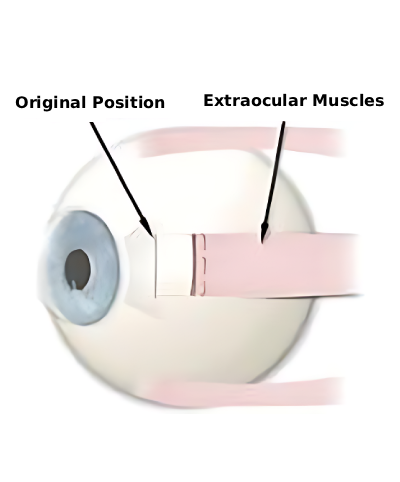
Muscle Recession Procedure
What Happens During the Surgery
Anesthesia
Children typically receive general anesthesia, while some adults may opt for local anesthesia.
Incision
An ophthalmologist makes a small incision in the conjunctiva, the tissue covering the eye, to expose the eye muscles.
Muscle Adjustment
Recession (Loosening): The muscle is detached from the eyeball and reattached farther back, weakening its pull.
Resection (Tightening) A small portion of the muscle is removed or folded, shortening it and making it stronger.
Closing
Dissolving sutures are used to repair the incision in the conjunctiva.
Types of Adjustments
Adjustable Sutures
In some cases, particularly with challenging alignments, the ophthalmologist may use adjustable sutures. This allows for fine-tuning the eye's alignment several hours after the main surgery, while the patient is awake.
Recovery and Outcomes
High Success Rate
Strabismus surgery is generally very successful.
Rapid Recovery
Most patients can return to normal activities within a few days.
Temporary Side Effects
Common side effects are temporary and include soreness, pain, redness, and possibly double vision.
Potential for Further Treatment
Glasses, prisms, or further adjustments may be needed to achieve perfect alignment or address any over- or under-corrections.
Outpatient Procedure
The surgery is typically performed on an outpatient basis, meaning patients can go home the same day.