

Hi-Tech Cataract Surgery Options
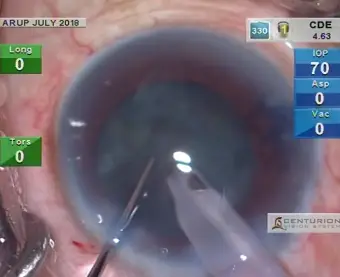
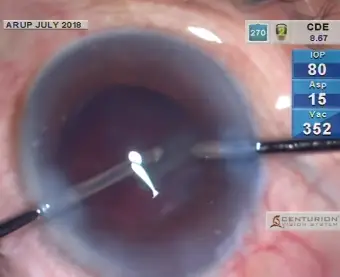
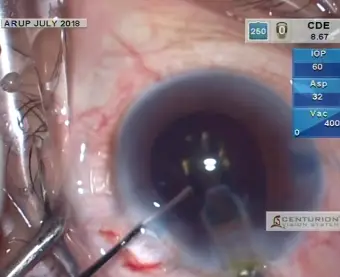
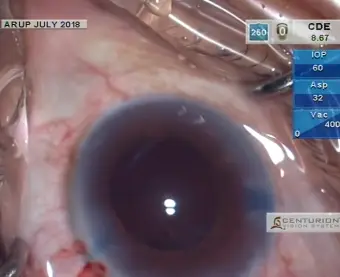
Cataract surgeries today offer a range of advanced techniques that greatly enhance both safety and visual outcomes. The most widely used method is Phacoemulsification, where ultrasonic energy is used to break up the cloudy lens, which is then gently removed and replaced with a clear intraocular lens (IOL). This method allows for a smaller incision, faster healing, and excellent post-surgery vision.
Difficult Cataract Surgeries : Posterior Polar Cataract
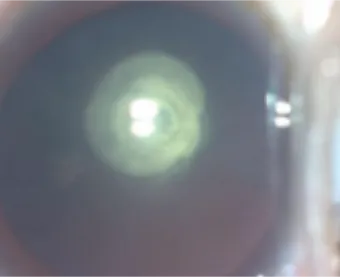
Pre-Operative
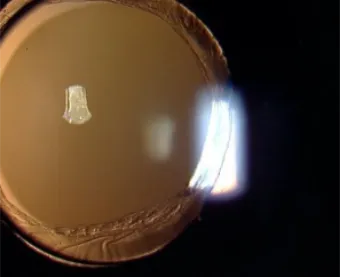
Post-Operative
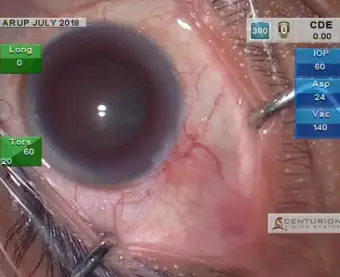
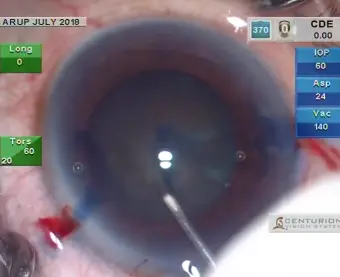
Phacoemulsification
(Keyhole Cataract Surgery)
A minimally invasive technique using ultrasound to break and remove the cloudy lens through a tiny incision. Recovery is faster with less discomfort.
.webp)
Types of Intraocular Lenses (IOLs)
Foldable IOLs
Easily inserted through small incisions and unfold inside the eye.
Aspheric IOLs
Designed to reduce glare and improve contrast sensitivity, especially in low light.
Toric IOLs
Correct pre-existing astigmatism for clearer vision.
Multifocal IOLs
Provide vision at near, intermediate, and far distances, reducing dependency on glasses.
Accommodating IOLs
Mimic natural focusing ability, shifting slightly inside the eye for different focal points.
Rigid IOLs
Requires larger incision and sutures; rarely used now but still applicable in specific cases.
Refractive Cataract Surgery Options
Refractive Lens Exchange (RLE)
Similar to cataract surgery, but performed to correct vision in non-cataract patients.
Presbyopic Lens Exchange
Specifically done to correct age-related near vision loss using multifocal or accommodating IOLs.
Limbal Relaxing Incisions (LRI)
Small incisions made at the edge of the cornea to reduce astigmatism.
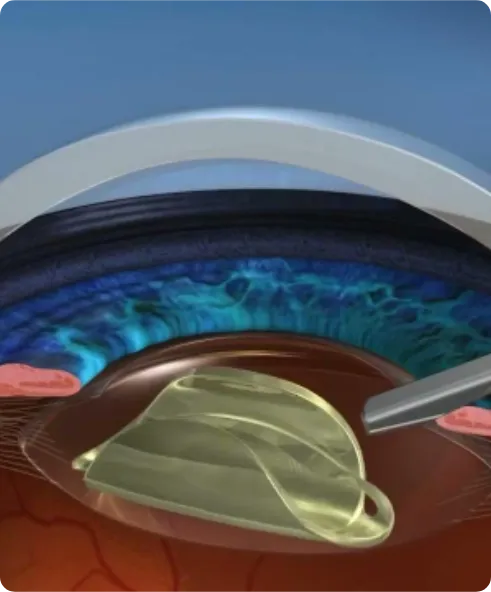
Implantable Contact Lens(ICL) Surgery
An additional lens is implanted without removing the natural lens — ideal for patients
with high refractive errors unsuitable for LASIK or similar procedures.
Secondary IOL Surgeries
AC IOL Implantation
Lens is fixed in the anterior chamber when posterior capsule support is lacking.
Iris-Fixated IOL Implantation
The lens is clipped to the iris when capsular support is poor.
Scleral Fixated IOL (SFIOL)
Sutured : IOL is stitched to the sclera.
Sutureless (e.g., Glued IOLs) : IOL is secured using tissue adhesive techniques
Other IOL - Related Procedures
IOL Repositioning
Adjusting a lens that has shifted after initial placement
IOL Exchange /Explantation
Removal and replacement of a lens due to complications or dissatisfaction.
Management of IOL Complications
Dislocation: Misalignment of the lens can cause blurred or double vision.
IOL-related Symptoms: Such as glare, halos, or dissatisfaction with visual quality, especially in multifocal IOLs.
Surgery for Malpositioned IOL
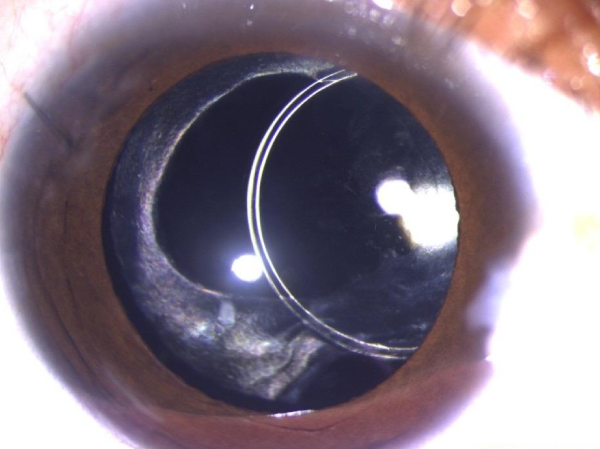
Pre-Operative
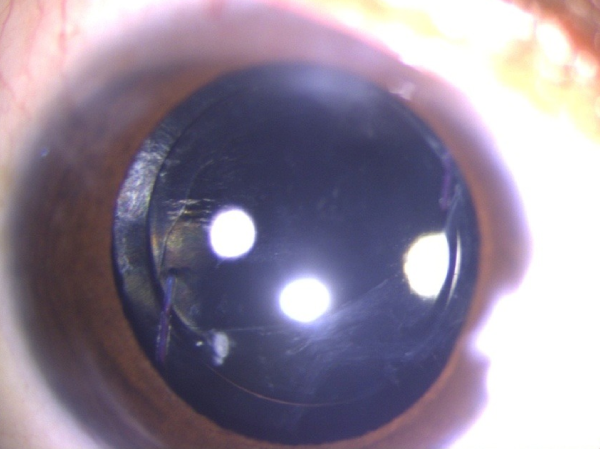
Post-Operative
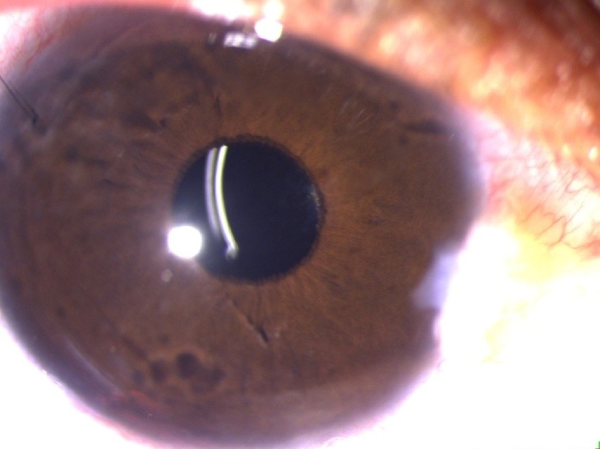
Pre-Operative
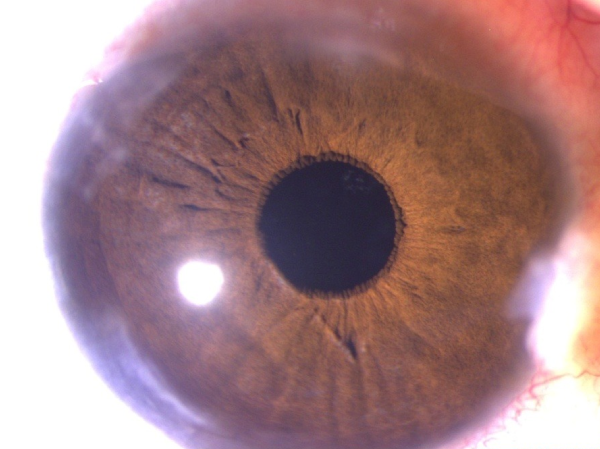
Post-Operative
Sunset Syndrome
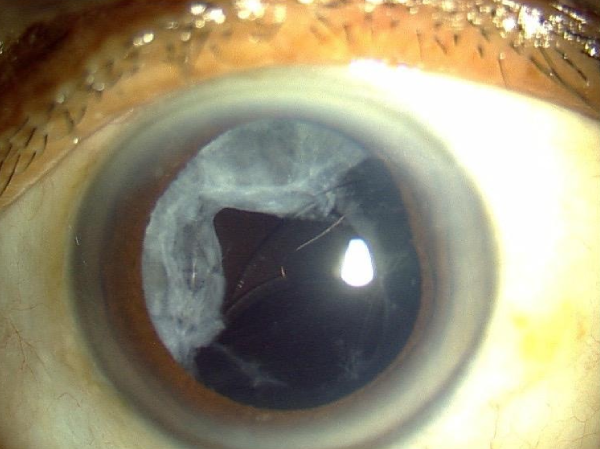
Pre-Operative
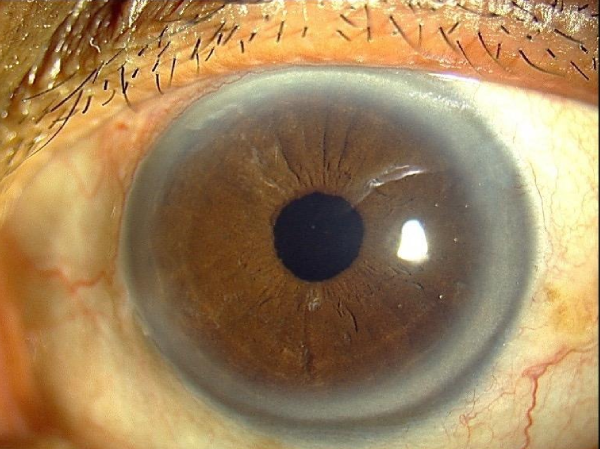
Post-Operative
Pre-Operative
Post-Operative
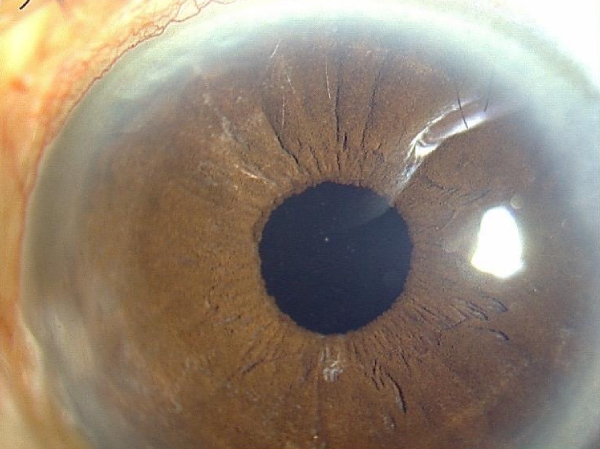
Post PPL- AB - Externo 4 Point Sutured Scleral Fixation
Visual Rehabilitation of a patient born with Congenital cataract and had undergone Pars Plana Lensectomy 25 years back. The patient was visually rehabilitated by a modified Sutured Scleral Fixation Surgery
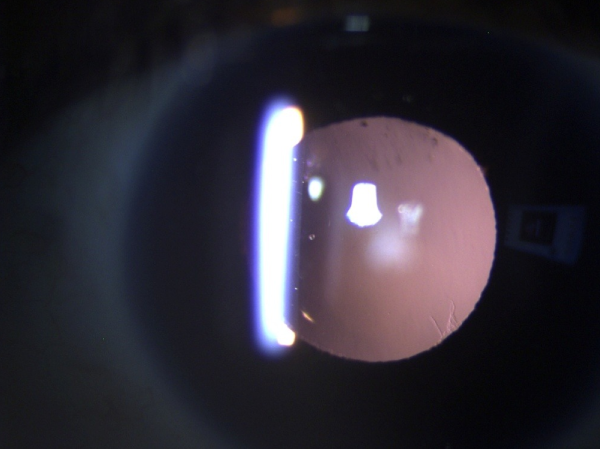
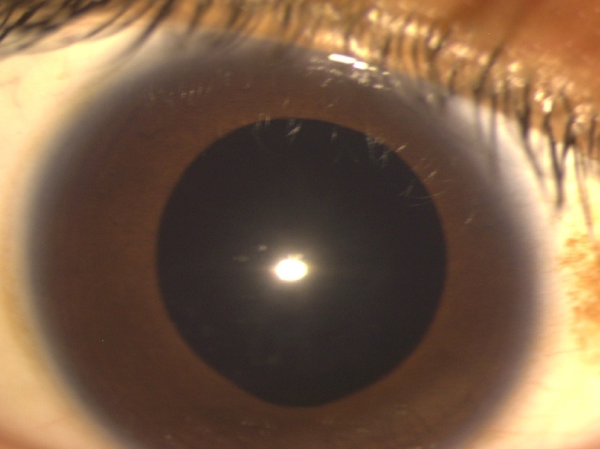
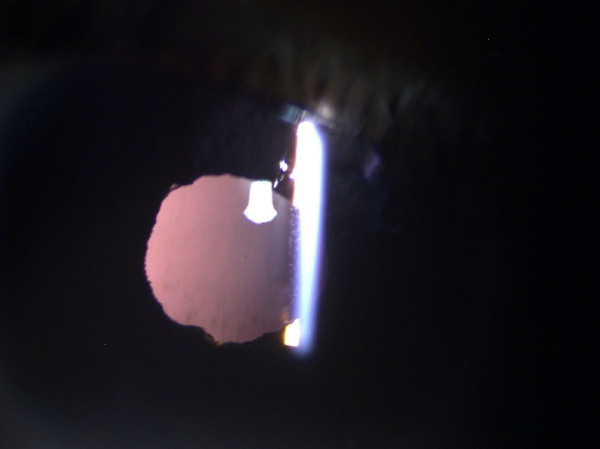
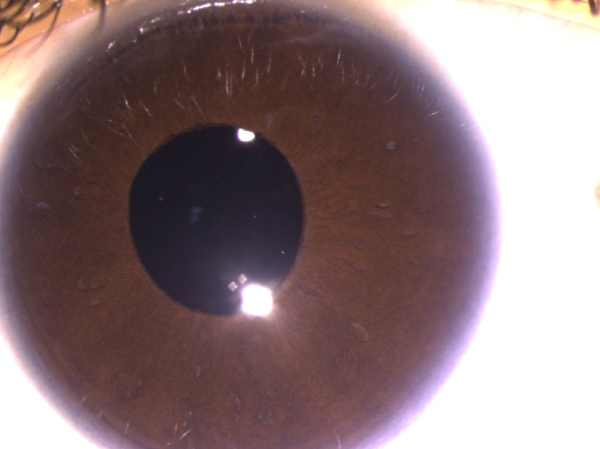
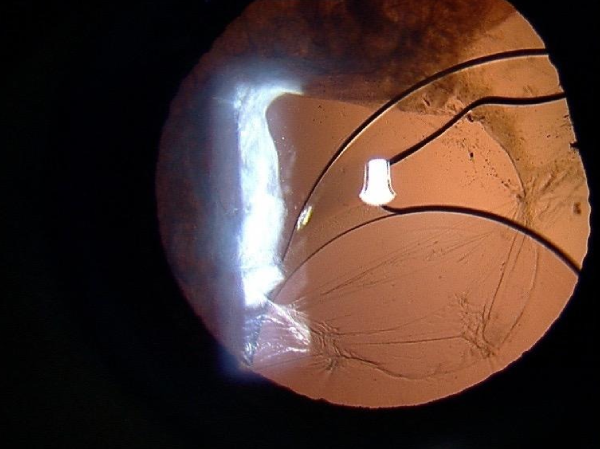
YAG Laser
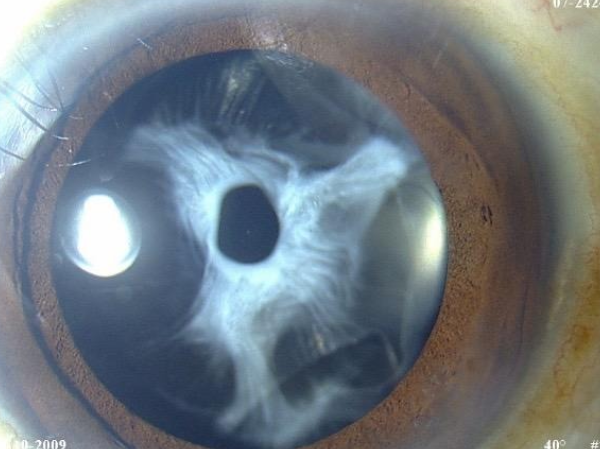
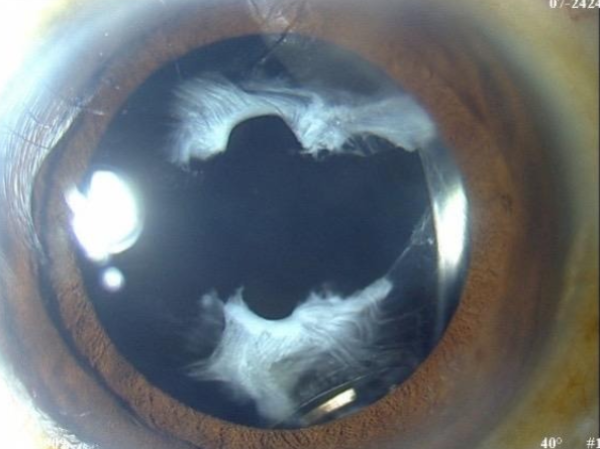
YAG laser anterior capsular relaxing incision for a patient with Retinitis Pigmentosa who had a severe Capsular bag contracture and Phimosis of the capsulorrhexis
Benefits & Aftercare
With advanced techniques and technology, cataract surgery today offers exceptional visual outcomes and faster recovery. Most patients experience noticeable improvement in vision within 24 to 48 hours, with success rates exceeding 95% and minimal discomfort. Many also enjoy reduced dependency on glasses and feel safer during tasks like night driving or reading in dim light.
Post-surgery care typically includes the use of antibiotic and anti-inflammatory eye drops, wearing protective eyewear, and following recovery guidelines. These may involve avoiding strenuous activities, not rubbing the eyes, and staying away from dust, wind, or swimming until the eye has healed. While most people recover quickly, full healing may take a few weeks, during which follow-up appointments are essential to monitor progress and ensure optimal results.