Glaucoma Symptoms
Patchy blind spots in side vision
You may start noticing blurry or missing areas in your peripheral (side) vision, which can slowly worsen over time.
The white part of your eye may appear bloodshot or inflamed, often due to increased intraocular pressure.
A dull ache or sharp pain in or around the eyes, sometimes accompanied by headache or nausea, especially during pressure spikes.
Bright lights may appear with rainbow-colored rings or glow, particularly noticeable at night or in dim lighting.
Sudden vision loss (in extreme cases)
In rare cases, untreated glaucoma may lead to an abrupt and severe loss of vision, requiring urgent care.
Persistent or sudden headaches, particularly around the eyes or forehead, can be an early warning sign of rising eye pressure.
Vision may become foggy or unclear, especially during acute pressure episodes.
A sudden spike in eye pressure can trigger these symptoms, often accompanying intense eye pain or headache.
Often described as “tunnel vision,” this is a sign of progressive optic nerve damage from chronic glaucoma.
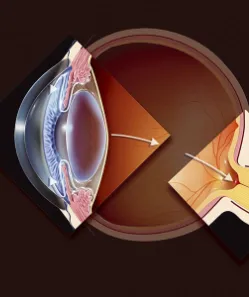
In its early stages, there are not always visible symptoms or indications that someone may be developing the disease, emphasiing the need for regular eye examinations.
Causes of Glaucoma
Glaucoma occurs more often in older adults but can also be caused or influenced by
Family history of glaucoma
If close family members like parents or siblings have glaucoma, your risk increases significantly due to inherited genetic factors that affect optic nerve health.
Diabetes can lead to changes in blood vessels and fluid balance in the eye, increasing the risk of developing certain types of glaucoma, especially neovascular glaucoma.
Elevated blood pressure may contribute to increased eye pressure or poor blood flow to the optic nerve, potentially worsening nerve damage over time.
Prescribed steroid medications
Long-term use of steroid eye drops, pills, or even inhalers can increase intraocular pressure, making glaucoma more likely to develop.
Any injury to the eye, even if minor, can disrupt the drainage system or damage internal eye structures, setting the stage for secondary glaucoma later on.
Important risk factors of Glaucoma
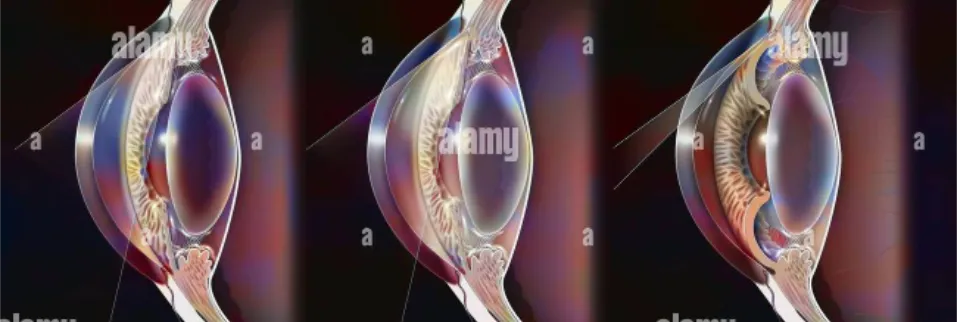
The risk of developing glaucoma increases as you grow older, especially after the age of 40, due to natural wear and changes in the eye’s drainage system.
Having a close relative with glaucoma significantly raises your chances of developing the disease, highlighting the role of hereditary influence.
INTRA-OCULAR PRESSURE (IOP)
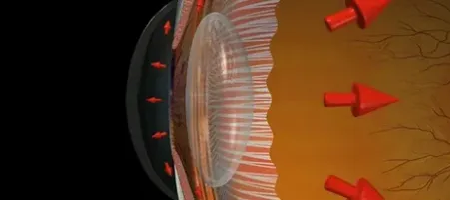
Elevated intraocular pressure (IOP) is one of the leading causes of optic nerve damage and is a key factor in most forms of glaucoma.
Early Detection of Glaucoma Matters
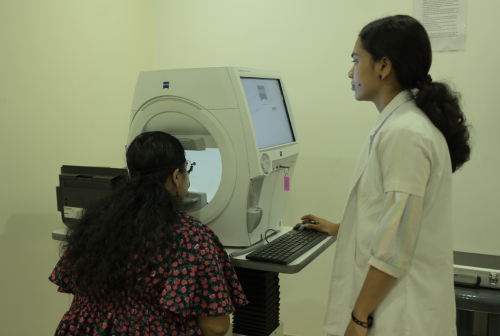
Treating glaucoma effectively begins with early identification, early detection, immediate treatment, and regular monitoring could preserve your eyesight. Once detected, initiating timely treatment whether through medications, laser procedures, or surgery can significantly reduce eye pressure and slow down optic nerve damage.Regular follow-ups, pressure checks, and visual field tests and optical coherence tomography to measure and document optic-disc and retinal nerve fibre layer are crucial to monitor disease progression. With consistent care and expert guidance, vision loss from glaucoma can often be minimized or even prevented.
Read More