

Quick Links
General Ophthalmology And Refraction
General ophthalmology and refraction form the foundation of comprehensive eye care. This branch focuses on diagnosing and managing a wide spectrum of eye conditions and vision issues across all age groups. From identifying refractive errors like myopia and astigmatism to detecting early signs of chronic eye diseases, general ophthalmology plays a key role in maintaining long-term visual health.
Routine eye exams help catch subtle visual problems, reduce the risk of eye strain, and prevent vision deterioration from untreated conditions. Accurate refraction ensures that patients receive the correct prescription for glasses or contact lenses, thereby improving visual clarity and comfort. Whether addressing simple dry eye or evaluating for systemic diseases like diabetes or hypertension affecting the eyes, general ophthalmology is often the first step in preserving vision and preventing complications.
Read More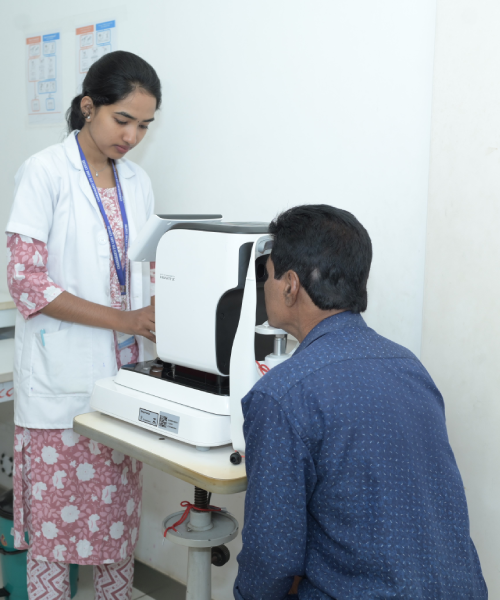
Common Vision Conditions Treated
General ophthalmology covers a wide range of eye conditions that impact visual acuity, comfort, and daily functioning. These issues can arise from refractive problems, lifestyle factors, aging, or underlying health conditions.
Refractive Errors
Refractive errors are among the most common causes of visual problems and are easily corrected with glasses or contact lenses. These include:
Myopia (Nearsightedness)
Distant objects appear blurry while nearby vision remains clear.
Hyperopia (Farsightedness)
Difficulty seeing nearby objects clearly, especially during reading.
Astigmatism
Distorted or blurred vision due to an irregularly shaped cornea.
Presbyopia
Age-related loss of near focusing ability, typically noticed after age 40.
Dry Eye Syndrome
A common condition caused by inadequate tear production or poor tear film quality. It leads to irritation, burning, and fluctuating vision, especially during screen time or in air-conditioned environments.
Allergic Conjunctivitis
Triggered by seasonal or environmental allergens, this leads to itching, redness, tearing, and puffiness around the eyes.
Blepharitis and Styes
Inflammation of the eyelids, often associated with blocked oil glands or bacterial infection, causing swelling, crusting, and irritation.
Computer Vision Syndrome
Resulting from prolonged digital screen use, symptoms include eye strain, headaches, blurry vision, and neck/shoulder discomfort.
Floaters and Flashes
Specks, cobwebs, or light streaks in vision may indicate benign age-related changes or more serious retinal issues requiring prompt evaluation.
Symptoms That Require Evaluation
Even mild eye symptoms can signal underlying issues. Timely evaluation helps prevent progression and ensures better visual outcomes.
Blurred or Fluctuating Vision
May result from refractive errors, dry eyes, or early cataracts. If persistent, it needs assessment.
Headaches During Reading or Screen Use
Often linked to uncorrected vision, eye strain, or improper glasses.
Double Vision or Ghost Images
Can be due to corneal irregularities, cataracts, or muscle imbalance.
Eye Strain or Fatigue
Feeling tired after short periods of reading or screen time may suggest the need for vision correction.
Dryness, Watering, or Gritty Sensation
Common in dry eye syndrome or due to environmental irritants and screen exposure.
Light Sensitivity or Night Glare
May be caused by cataracts, corneal changes, or inflammation.
Reduced Vision in Dim Light
Difficulty seeing in low-light conditions could indicate retinal or lens-related problems.
Causes of Vision Problems
Vision issues can arise due to lifestyle habits, systemic illnesses, or natural aging. Addressing these causes helps preserve long-term visual clarity and comfort.
Prolonged screen use or poor lighting
Leads to eye strain, dryness, and blurred vision over time.
Uncorrected refractive errors
Without proper spectacles or lenses, vision remains compromised, causing headaches and fatigue.
Aging
Natural loss of accommodation or tear production with age can lead to presbyopia and dryness.
Chronic conditions
Diabetes, hypertension, and thyroid disorders can affect the eyes subtly over time.
Medications
Certain drugs like antihistamines or antidepressants may cause dryness, blurred vision, or glare.
Diagnostic Tools and Evaluations
Auto-refractometer & Retinoscopy
Automated and manual methods to assess refractive power and determine the correct lens prescription.
Slit-Lamp Examination
Detailed view of the cornea, lens, and anterior eye structures to detect infections, allergies, or early cataracts.
Tonometry
Measures intraocular pressure to screen for glaucoma, especially in high-risk individuals..
Direct and Indirect Ophthalmoscopy
Comprehensive retinal evaluation for early signs of diabetes, hypertension, or optic nerve disease.
Cycloplegic Refraction (in children)
Temporarily paralyzes focusing muscles to reveal hidden refractive errors and prevent amblyopia.
Visual Acuity Testing (Snellen chart)
Assesses clarity of distance and near vision for both eyes separately.
Types of Vision Correction Offered
Our specialists provide personalized vision correction solutions
based on your needs and eye condition:
Prescription Glasses
The most common and non-invasive method to correct refractive errors with customized lenses for clear and comfortable vision.
Contact Lenses
Offered in soft, toric, or multifocal forms for people with active lifestyles or cosmetic preferences. Patients receive proper training on hygiene and lens care.
Low Vision Aids
For patients with advanced eye diseases or uncorrectable vision loss, we offer tools like magnifiers and reading aids to improve functional vision.
Our General Ophthalmology Experts
Our experienced ophthalmologists are the first point of contact for eye concerns, trained in detecting early signs of both ocular and systemic diseases. With a focus on personalized care, they ensure that every patient like child, adult, or elderly receives an accurate diagnosis and a well-rounded treatment plan.
From routine exams to complex evaluations, our team is equipped to manage diverse visual problems and refer to subspecialty care when necessary. With an emphasis on preventive eye health, we help our patients maintain optimal vision at every stage of life.