

Quick Links
Cornea and Contact Lens
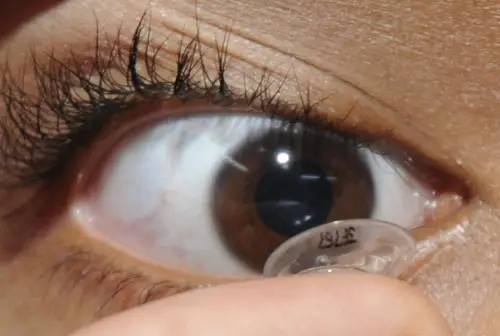
The cornea is the transparent front surface of the eye that plays a major role in focusing vision. When its shape, clarity, or thickness is altered due to disease or injury, vision becomes compromised. Contact lenses not only serve as a tool for vision correction but also act as a therapeutic aid in certain corneal disorders. At Chakrabarthi Eye Care Centre, both corneal care and contact lens services are integrated to ensure personalized treatment and visual rehabilitation.
Types of Corneal and Contact Lens Issues
Corneal problems can be structural, infectious, degenerative, or post-surgical. Contact lenses may be used to manage some of these conditions or may themselves cause complications if misused.
Irregular Cornea & Keratoconus
In keratoconus and similar disorders, the cornea thins and bulges into a cone-like shape. Specialized contact lenses like scleral or RGP lenses help mask the irregularity, providing clear vision without surgery.
Corneal Infections and Contact Lens Overwear
Improper lens hygiene or overwearing lenses can lead to serious infections like microbial keratitis. This can cause pain, redness, and vision loss. Early diagnosis and medical therapy are critical.
Post-Surgical Corneal Recovery
Following corneal surgeries, bandage contact lenses are used to promote healing and reduce discomfort. Customized lenses may be prescribed long-term in transplant or refractive surgery patients.
Dry Eyes and Lens Intolerance
Dry eyes may prevent comfortable lens wear. Evaluation with tear film analysis and corneal staining helps guide treatment or lens modifications.
Symptoms of Corneal and Contact Lens Complications
Blurry or Fluctuating Vision
Vision may become unclear or shift throughout the day due to poor lens fit, dryness, or early signs of corneal swelling or infection.
Eye Redness or Discharge
Redness often signals irritation or inflammation. In more serious cases like keratitis, discharge may accompany pain and blurred vision.
Pain or Foreign Body Sensation
A feeling like something is stuck in the eye may indicate a scratched cornea, poor lens hygiene, or an infection developing beneath the lens.
Halos or Glare Around Lights
These are often signs of corneal surface irregularities or early edema (swelling), which can occur due to prolonged lens wear or low oxygen supply.
Lens Intolerance or Frequent Dislodging
Difficulty keeping lenses in place or discomfort after short periods may point to corneal changes, dryness, or allergic reactions.
Increased Light Sensitivity (Photophobia)
Sensitivity to bright light can arise from corneal inflammation or abrasions—often a result of poorly fitting or overused lenses.
Sudden Drop in Vision or Corneal Scarring
A rapid decline in vision might indicate serious complications like ulcers or scarring, especially if associated with pain or redness.
Causes of Corneal Disorders Related to Contact Lens Use
Poor Hygiene Practices
Not cleaning or storing lenses properly can lead to bacterial, fungal, or parasitic infections—some of which can threaten vision.
Wearing Lenses Overnight Without Approval
Sleeping in lenses designed only for daytime use reduces oxygen to the cornea, increasing the risk of infection and corneal swelling.
Expired, Torn, or Damaged Lenses
Old or damaged lenses may not fit properly, scratch the cornea, or introduce pathogens, leading to irritation and long-term complications.
Improper Fit or Extended Wear Without Checkups
Lenses not correctly prescribed or used beyond recommended duration can cause mechanical damage, inflammation, or oxygen deprivation to the cornea.
Pre-existing Eye Conditions
Conditions like dry eye, allergic conjunctivitis, or meibomian gland dysfunction can worsen with lens wear, making the eyes more prone to injury or infection.
Advanced Contact Lens Options
Rigid Gas Permeable (RGP) Lenses
These small, firm lenses offer sharp vision by creating a smooth refractive surface, especially beneficial for patients with irregular corneas, such as in keratoconus or post-LASIK ectasia.
Scleral Lenses
Larger in diameter, these lenses vault over the entire cornea and rest on the white part of the eye (sclera). Ideal for severe dry eye, keratoconus, post-corneal transplant, or ocular surface diseases, they maintain a fluid reservoir that provides continuous hydration and optical clarity.
Hybrid Lenses
Designed with a rigid center for crisp vision and a soft skirt for comfort, hybrid lenses suit those with mild to moderate keratoconus who struggle with RGP discomfort but still need sharp correction.
Soft Toric and Multifocal Lenses
These lenses address astigmatism (toric) and presbyopia (multifocal), giving patients the convenience of soft lenses with correction for multiple visual needs, including distance and near.
Bandage Contact Lenses
Special soft lenses used as a therapeutic shield, these help in the healing of corneal injuries, post-surgical recovery, or recurrent erosions, offering pain relief and protection during recovery.
Diagnostic Technology
Corneal Topography
Captures a detailed 3D map of the cornea's surface, helping detect keratoconus, irregular astigmatism, or lens-induced corneal warpage. It’s essential for planning specialty lens fittings.
Anterior Segment OCT (Optical Coherence Tomography)
Provides high-resolution cross-sectional images of the front eye structures, allowing us to measure corneal thickness and precisely assess lens vaulting and edge alignment in scleral or hybrid lenses.
Specular Microscopy
Evaluates the health and density of endothelial cells—the innermost layer of the cornea critical for maintaining corneal clarity—especially important before fitting lenses in compromised corneas.
Slit Lamp Imaging
A microscope with focused illumination, used for examining the ocular surface in detail. It helps monitor lens positioning, movement, and any corneal response during follow-up visits.
Ultrasonic Biomicroscopy (UBM)
Uses high-frequency ultrasound to visualize deeper structures of the anterior segment, often helpful in cases where OCT has limitations or in complex lens fitting scenarios.
Our Cornea & Contact Lens Specialists
Our dedicated team of specialists is trained in both medical and optical management of corneal disease. Whether it’s a patient with advanced keratoconus requiring scleral lens fitting, or someone recovering from a transplant needing therapeutic support, we ensure comfort, clarity, and long-term eye health. Each lens prescription is customized based on corneal topography, lifestyle, and medical needs, ensuring you see and feel your best.