

Quick Links
Cataract Clinic
Cataract is a common eye disorder in which the natural lens of the eye becomes cloudy, resulting in blurry vision, increased glare, difficulty reading, and poor night vision. This cloudiness prevents light from properly reaching the retina, causing visual disturbances that can gradually worsen over time. Cataract typically develops with increased age; however, it can also occur due to factors such as eye trauma, diabetes, prolonged use of steroid medications, or exposure to ultraviolet therapy. These conditions may accelerate lens opacity and often lead to the need for cataract eye surgery.
Cataract surgery is a safe and effective procedure performed to restore clear vision by removing the clouded lens and replacing it with an artificial intraocular lens (IOL). Today’s advanced techniques, such as phacoemulsification and femtosecond laser-assisted surgery, allow for quicker recovery, better precision, and improved outcomes. With early diagnosis and timely intervention, cataract surgery can significantly enhance quality of life and reduce vision-related dependency, making regular eye checkups essential, especially for individuals at higher risk.
Read More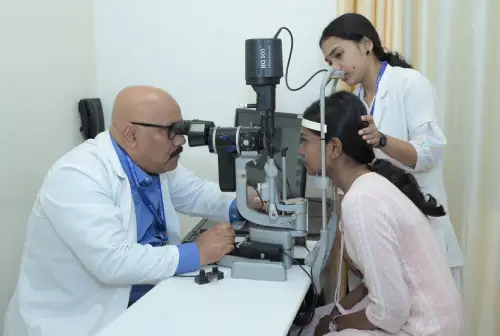
Types of Cataract
Nuclear Cataracts
Develop in the central (nuclear) zone of the lens. Often associated with aging, these cataracts can cause a gradual yellowing or browning of vision and may initially improve near vision before worsening overall clarity.
Cortical Cataracts
Begin at the outer edge (cortex) of the lens and gradually extend toward the center. Characterized by white, wedge-like opacities, they often cause glare and difficulty with contrast.
Posterior Subcapsular Cataracts
Form at the back of the lens, just in front of the capsule that holds the lens in place. These tend to progress faster and can affect reading vision, cause glare or halos, especially under bright lights.
Congenital Cataracts
Present at birth or develop during infancy, often due to genetic factors, infections, or metabolic disorders. They can affect one or both eyes and may require early surgical intervention to prevent visual impairment.
Traumatic Cataracts
Result from an injury to the eye, either immediately or years after the trauma. The damage may cause lens opacity and vision loss depending on the severity and location of the trauma.
Secondary Cataracts
Develop as a result of other conditions such as diabetes, chronic uveitis, retinitis pigmentosa or from long-term use of medications like corticosteroids. They can also form after cataract surgery when the lens capsule becomes cloudy.
Radiation Cataracts
Caused by prolonged exposure to radiation commonly seen in people undergoing radiation therapy or frequent exposure to UV or ionizing radiation. These cataracts usually affect the back of the lens.
Symptoms of Cataract
These symptoms usually develop gradually and are often overlooked in the early stages. However, as the cataract progresses, they begin to interfere with everyday tasks and become harder to ignore.
Faded colors
Colors may lose their richness and appear dull or yellowish. This makes it difficult to distinguish between similar shades, affecting tasks like choosing clothes or reading color-coded signs.
Polyopia vision in one eye
Cataracts can cause you to see two images from one eye, especially when focusing on a single object. This type of double vision is different from conditions that affect both eyes and usually becomes more noticeable in well-lit environments.
Repeated prescription changes
If you find yourself frequently needing new glasses or contact lenses, it may be a sign that cataracts are progressing. These temporary improvements or changes in vision can be misleading.
Glare or haloes around lights
Bright lights such as headlights, street lamps, or sunlight may seem too intense or surrounded by haloes. This can cause discomfort and make it difficult to look at lights directly, especially while driving at night.
Difficulty with night vision
As cataracts worsen, vision in low-light settings becomes increasingly challenging. You may find it hard to see clearly at dusk or while driving in the dark, even if your vision seems acceptable during the day.
With timely intervention through cataract surgery, most people can regain clear, sharp vision and resume their normal daily activities with ease.
Causes of Cataract
While aging is the most prominent cause of cataracts, certain lifestyle habits and health conditions can significantly increase the risk of developing them earlier or worsening their progression:
Age – The most significant contributor
Cataracts are most commonly age-related. As people age, the lens inside the eye gradually becomes less transparent due to protein changes, leading to a slow but progressive clouding of vision.
Smoking – Damages the eye’s natural lens
Smoking increases the number of harmful free radicals in the body, which can damage the proteins in the eye lens. This accelerates the breakdown process, making smokers more likely to develop cataracts earlier than non-smokers.
Harmful alcohol use – Weakens overall eye health
Excessive or prolonged alcohol consumption can dehydrate the eye and interfere with the absorption of essential antioxidants and nutrients needed for lens clarity, raising the chances of cataract formation.
Family history – Inherited genetic tendency
If close family members have had cataracts, especially at a younger age, it may indicate a genetic predisposition. Hereditary factors can influence how soon and how severely cataracts develop.
Higher exposure to sunlight – UV damage to the lens
Frequent and prolonged exposure to ultraviolet (UV) rays without eye protection can damage lens proteins and speed up the clouding process. UV radiation is a well-known environmental risk factor for cataracts.
Eye injuries – Trauma-induced cataracts
Any direct trauma to the eye can cause changes in the lens structure, sometimes leading to cataracts either immediately or years after the injury. These are referred to as traumatic cataracts.
Medications and other associated illnesses
Certain medications, particularly long-term steroid use are known to increase the risk of cataracts. Health conditions like diabetes can also contribute, as high blood sugar levels can affect the lens and promote cataract formation.
Can Cataracts Be Prevented?
Although cataracts may not always be preventable, certain lifestyle changes and
habits can help reduce the risk or delay their progression.
Wearing sunglasses
Protection from UV rays
Prolonged exposure to ultraviolet (UV) light can accelerate lens damage. Wearing sunglasses that block UVA and UVB rays can help shield your eyes and slow down cataract development.
Managing health conditions
Keep blood sugar and blood pressure in check
Uncontrolled diabetes and hypertension can contribute to early cataract formation. Maintaining healthy levels helps preserve the clarity of the eye’s lens over time.
Quitting smoking
Reduce toxic damage to the eyes
Smoking produces harmful substances that damage the lens and surrounding tissues. Quitting helps reduce oxidative stress and lowers the risk of cataracts and other eye disorders.
Routine eye checkups
Detect issues early
Regular visits to an eye specialist can help catch lens changes in the early stages, allowing timely advice or treatment to delay or avoid the need for cataract surgery.
Types of Intraocular Lenses (IOLs)
During cataract surgery, the clouded natural lens is replaced with an artificial Intraocular Lens (IOL). Depending on your lifestyle needs and visual preferences, you can choose from several types of IOLs:
Monofocal Lenses
Designed to provide clear vision at one fixed distance (usually far), these are the most commonly used lenses. Glasses may still be needed for reading or close work.
Multifocal Lenses
These advanced lenses allow for vision at multiple distances—near, intermediate, and far—reducing dependence on glasses for most daily activities.
FAQ's
What is cataract surgery?
Cataract surgery is a procedure where the cloudy natural lens of the eye (cataract) is removed and replaced with a clear artificial lens called an intraocular lens (IOL) to restore clear vision.
Is cataract surgery painful?
No, the surgery is usually painless. It’s done under local or topical anesthesia, so you may feel slight pressure but no pain.
How long does the surgery take?
The actual surgery typically takes around 15 to 30 minutes, though you may be at the hospital for a few hours including preparation and recovery time.
Will I need glasses after cataract surgery?
That depends on the type of IOL chosen. Premium lenses like multifocal lenses may reduce or eliminate the need for glasses, while standard monofocal lenses may still require glasses for near or distance vision.
How soon can I return to normal activities?
Most patients resume light activities within 1–2 days. However, it's advised to avoid rubbing the eye, swimming, or heavy lifting for at least a week or two.